


Corneal surgeries are specialized ophthalmic procedures that provide treatment to repair, reshape, or replace the cornea (visualized as the clear outermost layer of the eye). These procedures are of utmost importance in restoring vision upon the attack of corneal diseases, injuries, or degeneration.
These special eye surgeries can improve visual clarity and quality of life dramatically in correcting
refractive errors, or treating keratoconus or corneal scars.
Corneal transplant, also known as keratoplasty, is a surgical procedure to replace a damaged or diseased cornea with healthy donor tissue. The cornea is the transparent, dome-shaped surface that helps focus light into the eye. When it becomes cloudy, scarred, or misshapen, vision can be severely
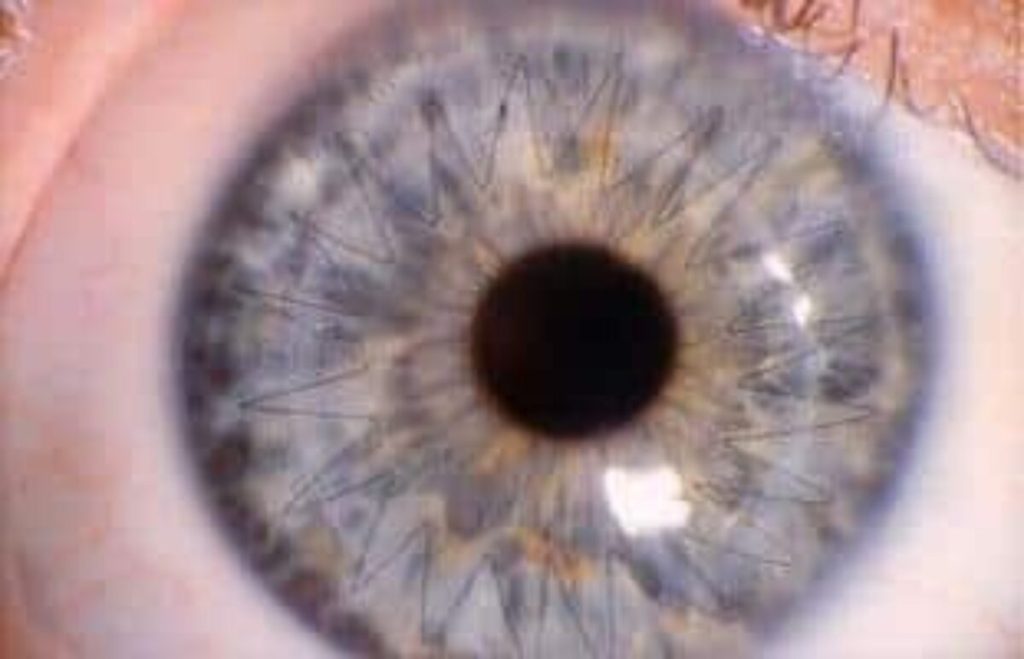
There are several types of keratoplasty, and the choice depends on the extent and location of corneal damage:
A full-thickness transplant where the entire corneal layer is replaced. Ideal for extensive damage affecting all corneal layers.
Only the front layers of the cornea are replaced, preserving the healthy inner endothelium. Suitable for conditions like keratoconus or surface scars.
Replaces the back portion of the cornea, including the endothelium and Descemet’s membrane. Used for diseases like Fuchs’ dystrophy.
A more refined version of DSAEK, replacing only the Descemet’s membrane and endothelium. Offers faster recovery and better visual outcomes.
You may be a good candidate if you have:
A complete eye exam, including corneal thickness and endothelial cell count, helps determine the best approach.
You may be a good candidate if you have:
A complete eye exam, including corneal thickness and endothelial cell count, helps determine the best approach.
Corneal transplant surgery can be life-changing, bringing back vision that was once thought lost. If you’re struggling with corneal disease or severe vision loss.
Recovery time varies by procedure. Full-thickness transplants (PK) may take several months to a year for optimal vision, while lamellar procedures like DMEK or DSAEK often have faster healing within a few weeks.
Rejection is possible, but less common than with other organ transplants. The risk is significantly minimized with proper follow-up and use of prescribed steroid eye drops.
Possibly, yes. While vision improves substantially, you may need glasses or contact lenses for best clarity, especially after full-thickness transplants.
Descemet Membrane Endothelial Keratoplasty (DMEK) and Descemet Stripping Endothelial Keratoplasty (DSEK) are advanced, minimally invasive corneal transplant techniques used to treat diseases of the cornea’s innermost layer—the endothelium. These procedures selectively replace only the damaged endothelial layer, resulting in faster recovery, fewer complications, and excellent visual outcomes.
Both DMEK and DSEK fall under the category of lamellar keratoplasty, meaning only a portion of the cornea is transplanted:
DMEK (Descemet Membrane Endothelial Keratoplasty)
Replaces only the Descemet’s membrane and endothelium—a thin, delicate layer of tissue. It offers the most natural anatomical restoration with the clearest possible vision.
DSEK (Descemet Stripping Endothelial Keratoplasty)
Transplants the Descemet’s membrane, endothelium, and a thin layer of donor stroma. Slightly thicker than DMEK, but easier to handle during surgery and still delivers excellent outcomes.
Diagnosis & Evaluation
A full eye exam and corneal imaging confirm endothelial dysfunction, commonly due to Fuchs’ dystrophy, pseudophakic bullous keratopathy, or previous graft failure.
Surgical Technique
Post-Operative Care
Both are highly effective, but DMEK provides superior visual clarity and a lower rejection rate. However, DSEK may be preferred in complex cases where handling extremely thin tissue is challenging.
No. The procedure is performed under local or topical anesthesia, and most patients experience minimal discomfort. Recovery is generally smooth with proper care.
DMEK/DSEK grafts can last many years, often a decade or more. Regular follow-ups and adherence to post-op care increase long-term success.
Phototherapeutic keratectomy is a laser surgical procedure indicated for anterior corneal surface opacities and irregularities with the aim of visual restoration and pain relief; it employs an excimer laser for accurate reshaping or smoothing of the cornea.
You would be a good candidate for PTK if you:
Always speak with your ophthalmologist. They will work to affirm your eligibility through corneal imaging and clinical evaluation.
No. PTK treats medical corneal conditions, while LASIK primarily treats vision correction like myopia, hyperopia, or astigmatism).
The procedure is usually painless; anesthetic drops are used, and mild discomfort may occur during recovery.
Healing begins within the first few days, but total improvement of vision can take weeks depending on the condition being treated.
Corneal Cross Linkage (CXL) is a treatment that is provided at minimal cost to the patient and is non-surgically. This treatment is carried out on the cornea with the help of vitamin B2 (riboflavin) drops beamed inside through ultraviolet light. The main indication of this procedure is the interruption of keratoconus disease and other corneal ectasias.
You might be a good candidate if you:
The ophthalmologist will determine eligibility through corneal topography and request for a test.
The primary purpose of CXL is to halt disease progression rather than reverse keratoconus. Many patients report stabilized vision or a gradual or slight improvement over time.
Most suffer mild discomfort, burning, or sensitivity for a few days. Healing is easier with the epithelium-on (transepithelial) technique, though healing is more predictable with epithelium-off.
The results are expected to last for a long time; most patients receive only one treatment during their lifetime to achieve stabilization.