Uveitis & Ocular Immunology

What is Uveitis & Ocular Immunology?

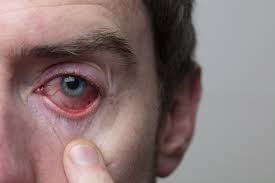
Uveitis is a group of inflammatory eye diseases that affect the uvea, the middle layer of the eye. It can lead to serious complications, including vision loss if left untreated. 

Ocular immunology focuses on diagnosing and managing autoimmune and inflammatory eye conditions. 

Uveitis and ocular immunology disorders pose significant challenges in India due to high infection rates and autoimmune conditions. These diseases can be associated with systemic disorders like rheumatoid arthritis, lupus, or infections such as tuberculosis.

However, advancements in diagnostics, treatment modalities, and specialized centers have improved patient outcomes. Early diagnosis and prompt intervention are essential to prevent vision loss.

Key Statistics on Uveitis in India

  • Uveitis accounts for 10-15% of blindness cases in India.
  • Over 50% of uveitis cases in India are linked to infections, including tuberculosis, toxoplasmosis, and viral retinitis.
  • Commonly associated with Behçet’s disease, Vogt-Koyanagi-Harada (VKH) syndrome, and sarcoidosis.
  • Studies indicate that up to 30% of patients experience irreversible vision loss due to late diagnosis.

Why is Uveitis a Concern in India?

India has a high burden of infectious and autoimmune-related uveitis cases due to factors like tuberculosis prevalence, tropical diseases, and genetic predisposition. Early detection and treatment are critical in preventing blindness caused by uveitis.

Types of Uveitis
  1. Anterior Uveitis – Most common type, affects the front part of the eye (iritis).
  2. Intermediate Uveitis – Inflammation in the vitreous cavity.
  3. Posterior Uveitis – Affects the retina and choroid, often leading to severe vision impairment.
  4. Panuveitis – Affects all layers of the uvea, leading to complex management challenges.
Causes & Risk Factors
  • Infectious Causes: Tuberculosis, herpes, syphilis, toxoplasmosis.
  • Autoimmune Disorders: Ankylosing spondylitis, juvenile idiopathic arthritis, sarcoidosis.
  • Environmental & Genetic Factors: Strong genetic predisposition in certain populations.
  • Idiopathic Cases: About 30% of uveitis cases have no identifiable cause.
What is Ocular Immunology?

Ocular immunology is a specialized field of medicine that focuses on how the body’s immune system interacts with ocular tissues, including the cornea, conjunctiva, uvea, retina, and optic nerve. 

Since the eyes are considered immune-privileged organs, understanding their unique immune responses is critical for diagnosing, managing, and treating a wide range of vision-threatening diseases, as even a small immune overreaction can lead to tissue damage and vision impairment.

The Eye’s Immune Privilege

One of the most fascinating aspects of ocular immunology is immune privilege. The eye limits immune responses to prevent inflammation that could harm delicate visual structures. This is achieved through physical barriers like the blood-retinal barrier, as well as local production of immunosuppressive factors such as TGF-β.

Common Ocular Immune Disorders

Several eye diseases are linked to immune dysfunction. Here are a few key examples:

Uveitis
  • Inflammation of the uveal tract (iris, ciliary body, choroid).
  • Can be infectious or non-infectious.
  • Often associated with autoimmune diseases: sarcoidosis, Behçet’s disease, ankylosing spondylitis.
Scleritis & Episcleritis
  • Inflammation of the sclera or episclera (outer white coat of the eye).
  • Scleritis is more severe and often linked to autoimmune diseases like rheumatoid arthritis.
Ocular Cicatricial Pemphigoid
  • Rare autoimmune blistering disorder affecting the conjunctiva.
  • Can cause progressive conjunctival scarring.
  • May lead to blindness if untreated.
Dry Eye Disease (DED)
  • Multifactorial condition often involving chronic inflammation.
  • T-cell and cytokine-mediated pathways contribute to disease severity.

Is an Ocular immunologist different from an ophthalmologist?

Ocular immunologists are ophthalmologists with additional training in managing immune-mediated eye diseases. They work closely with rheumatologists, dermatologists, and infectious disease specialists to offer multidisciplinary care.