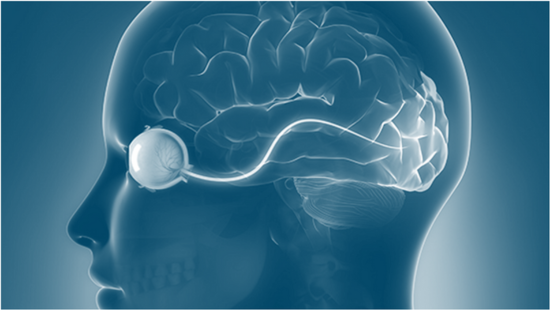
Neuro-Ophthalmology

Neuro-Ophthalmology in India: Key Statistics

  • Over 15% of blindness cases in India are linked to neurological causes.
  • More than 1.5 million stroke patients in India suffer from visual complications.
  • Optic neuritis affects 1-2 per 100,000 people in India annually, with many cases linked to autoimmune disorders like multiple sclerosis.
  • Brain tumors account for 1-2% of all cancers in India, often leading to vision disturbances.
  • Diabetes-related neurological vision issues are rising, with over 77 million diabetics at risk.
  • Early diagnosis and treatment could prevent vision loss in up to 50% of neuro-ophthalmic cases.

Neurological disorders can have a profound impact on vision. Understanding the link between the nervous system and visual function is key to early detection, accurate diagnosis, and effective treatment. If you’re experiencing visual issues that don’t seem to originate in the eye, it might be time to look deeper—into the brain.

Common Neuro-Ophthalmic Conditions

Optic Nerve Disorders

Disorders of the optic nerve can cause sudden or progressive vision loss and often indicate underlying neurological or vascular disease.

  • Optic Neuritis – Inflammation of the optic nerve, often linked to autoimmune conditions (e.g., multiple sclerosis).
  • Ischemic Optic Neuropathy (ION) – Reduced blood flow to the optic nerve, commonly associated with diabetes and hypertension.
  • Optic Atrophy – Permanent damage to the optic nerve leading to vision loss, usually from longstanding or severe neurological disease.

Eye Movement Disorders

These conditions affect the muscles or nerves that control eye movement and can significantly impair binocular vision.

  • Double Vision (Diplopia) – Seeing two images due to misalignment from nerve or muscle problems.
  • Third, Fourth & Sixth Nerve Palsies – Paralysis of cranial nerves controlling eye muscles, causing misalignment or drooping eyelids.
  • Nystagmus – Involuntary, repetitive eye movements that reduce visual stability and clarity.

Common Neurological Conditions That Affect Vision

Stroke
Visual symptoms:
  • Visual field loss (hemianopia)
  • Double vision (diplopia)
  • Eye movement disorders
Cause:
  • Disrupted blood flow to areas of the brain
Multiple Sclerosis (MS)
Visual symptoms:
  • Optic neuritis (painful vision loss)
  • Blurry vision
  • Eye movement problems
Cause:
  • Immune-mediated damage to the optic nerve or brain pathways
Migraine (with Aura)
Visual symptoms:
  • Flickering lights
  • Zigzag patterns
  • Temporary blind spots
Cause:
  • Transient brain disturbances affecting the visual cortex
Brain Tumors
Visual symptoms:
  • Gradual vision loss
  • Peripheral vision changes
  • Eye misalignment
Cause:
  • Compression of visual pathways or optic nerves
Parkinson’s Disease
Visual symptoms:
  • Blurred vision
  • Impaired depth perception
  • Difficulty tracking objects
Cause:
  • Dopamine deficiency affecting visual processing and eye coordination
Myasthenia Gravis
Visual symptoms:
  • Ptosis (drooping eyelids)
  • Double vision
Cause:
  • Autoimmune disruption at neuromuscular junctions controlling eye muscles
Traumatic Brain Injury (TBI)
Visual symptoms:
  • Blurred or double vision
  • Difficulty focusing
  • Visual field defects
Cause:
  • Damage to brain regions or nerves responsible for vision and eye movement

What are the Diagnostic & Treatment Approaches to neuro-opthalmology?

These involve

  • Comprehensive Eye Exam – To assess vision, eye movement, and pupil reactions.
  • Optical Coherence Tomography (OCT) – High-resolution imaging of the optic nerve and retina.
  • Visual Field Testing – Detects blind spots and visual field defects.
  • MRI & CT Scans – Identify brain-related causes of vision issues.
  • Electrophysiology Tests – Measure nerve function in the eyes.


Check out our Treatment Options

Why Choose Khetarpal’s Neuro-Ophthalmology Services?
  • Expert Specialists – Highly trained neuro-ophthalmologists with experience in managing complex cases.
  • Cutting-Edge Diagnostics – Access to advanced imaging and testing for precise diagnosis.
  • Multidisciplinary Approach – Collaboration with neurologists, neurosurgeons, and endocrinologists for holistic care.
  • Personalized Treatment Plans – Tailored solutions for each patient’s unique condition.

Book an Appointment

Early diagnosis and intervention can prevent vision loss. Schedule a consultation with our neuro-ophthalmology experts at Khetarapal Hospitals today.