Glaucoma Management

What is Glaucoma?

Glaucoma is a group of eye diseases that damage the optic nerve, often due to increased eye pressure (intraocular pressure or IOP). It is a leading cause of irreversible blindness worldwide. Early detection and timely treatment are crucial in preventing vision loss.

What is Glaucoma?

  • Over 12 million people in India are affected by glaucoma.
  • 90% of cases remain undiagnosed due to lack of symptoms in early stages.
  • Second leading cause of blindness in India, after cataracts.
  • 4.5 million people in India are blind due to glaucoma.

Prevalence increases with age:

  • 40+ years: ~3% affected
  • 60+ years: ~7-9% affected
  • Higher risk groups:
    • Family history of glaucoma (risk increases 4-9 times)
    • Diabetics & hypertensive patients (significantly higher risk)
    • People with high myopia or hyperopia.
  • Regular eye screenings could prevent up to 50% of vision loss from glaucoma.
  • Treatment adherence issue: Over 50% of patients stop using prescribed glaucoma medications within 6 months.
  • Economic impact: Glaucoma-related vision loss leads to loss of productivity and high treatment costs, impacting millions of families.

Glaucoma Management: Early Detection & Treatment to Prevent Vision Loss

Why Early Detection Matters

Glaucoma often progresses without noticeable symptoms until significant vision loss occurs. Regular eye exams are essential to detect the disease early and start treatment before irreversible damage happens.

Who is at Risk?
  • Individuals over 40 years old
  • People with a family history of glaucoma
  • Those with high eye pressure (IOP)
  • Individuals with diabetes or high blood pressure
  • Long-term steroid users
  • People with thin corneas or previous eye injuries

Managing High Eye Pressure to Prevent Blindness

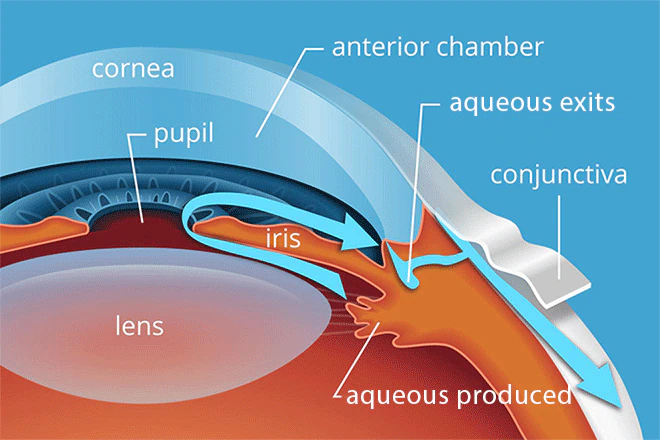
High eye pressure is one of the primary risk factors for glaucoma. Managing it effectively can slow or prevent disease progression.

How is Eye Pressure Managed?
  1. Prescription Eye Drops – Reduce fluid production or increase drainage to lower IOP.
  2. Oral Medications – Used in some cases to further reduce eye pressure.
  3. Laser Therapy – Helps improve drainage and lower IOP with minimal discomfort.
  4. Surgical Procedures – For advanced cases, procedures like trabeculectomy or minimally invasive glaucoma surgery (MIGS) can help reduce pressure.

Find Out More About Glaucoma Treatment

How to Prevent Vision Loss from Glaucoma

  • Get regular comprehensive eye exams (especially if at risk).
  • Follow prescribed treatments, including medications and lifestyle changes.
  • Monitor vision changes and seek immediate care for symptoms like blurred vision, eye pain, or halos around lights.
  • Maintain a healthy lifestyle to support overall eye health.

Schedule Your Glaucoma Screening Today

Early detection is key to preventing vision loss. Book an appointment with our specialists at Khetarpal Hospitals for a comprehensive glaucoma evaluation and personalized treatment plan.